

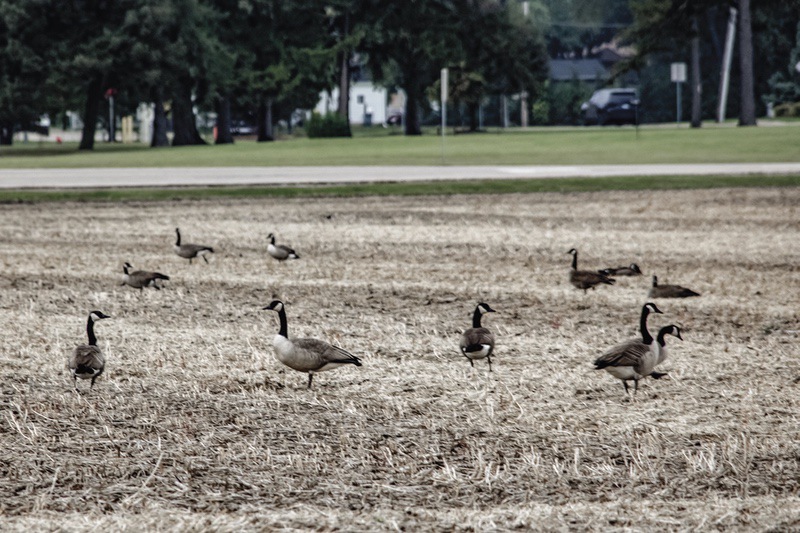
“Where have all the birds, butterflies and bees gone?” asked Helen Wiederkehr, Sun City Resident, in a letter to the Sun Day News editor. “When my husband and I moved into Sun City in 2002 it was so beautiful, with abundant birds, wildlife and even insects like bees and fireflies. We used to see doves, tree swallows and cardinals everywhere. Not to mention killdeer running all over the golf course, of which I haven’t seen one for the last five or six years. Almost all have dwindled. I don’t know what has even happened to the squirrels in my neighborhood.”
Wiederkehr suspects a specific cause.
“With all the acres of beautifully manicured green space, I know the problem is the overuse of pesticides and herbicides. These products are poisoning everything from the mice and birds that eat these poisons which get passed on to hawks, owls and even coyotes. If we lose bees and other pollinators from these poisons, we will lose many crops. I know people love their green lawns and hybrid flowers, but we have to help all species do what they are meant to do, not die for the perfect yard. Please help this community reduce the use of these killers of eventually all life,” she said.
The decline in neighborhood wildlife described by Wiederkehr is in keeping with a national trend, according to findings in the article, “Rapid butterfly declines across the United States during the 21st century,” published in Science in March 2025. It reports a 22% national butterfly decline across the United States from 2000 to 2020. A study says the chief causes of the decline included habitat destruction, a drier and hotter climate because of climate change, and insecticide use.
In 2019, a landmark study reported the catastrophic loss of an astounding 3 billion birds in North America over 50 years. According to the 2025 U.S. State of the Birds report, widespread declines continue in all bird populations, both mainland and marine, with 229 species requiring urgent conservation action. The contributing factors are many, such as habitat loss of nesting and wintering grounds, climate change that causes severe summer storms and droughts that impact nesting, and the decline of insect populations because of insecticide.
Lisa Maier, President of the McHenry County Audubon Society, who also works in development at the Land Conservancy of McHenry County, says it’s hard to pinpoint exactly why, but the biggest declines are among birds that are largely insectivores. Pesticides cause insect decline, in turn affecting species like flycatchers, nightjars, and swifts. Maier also cites invasive and non-native plants for degrading wildlife habitats.
“Some of the trend declines we see are due to climate change, with some species expanding their breeding range north as it gets hotter, so the population may not necessarily be declining overall, but just shifting to different areas,” says Maier. “Additionally, rodenticide is a huge contributor to raptor declines. Pretty much every raptor brought in for rehab has some level of rodenticide in their system, which can weaken and often kill them.”
What homeowners can do
• Although the contributing factors loom large, Maier offers tips that residents can heed to support larger efforts of wildlife conservation:
• Avoid pesticides and rodenticides and glue traps
• Naturalize your yard: plant native plants (especially trees and shrubs), leave your yard a bit “messy” (leave the leaves, create brush or log piles, leave snags when not dangerous, don’t cut back dead vegetation in the fall, etc.)
• Break up reflections of problem windows (use bird tape, decals, etc.) and turn off lights at night to reduce window strikes
• Keep cats indoors (better for wildlife and better for cats)
• Advocate for bird-friendly legislation in your area and support your local public lands and environmental organizations.
• Avoid outdoor decorations that can trap birds (spider webs, nets, grid shaped lights) and clean up fishing line and trash after use.
• Make sure bird feeders are kept clean to avoid spread of disease. If there is a disease outbreak in your area, remove feeders for a period to avoid birds grouping.
To learn about and be involved in conservation efforts in McHenry County and the surrounding area, visit the website of The Land Conservancy of McHenry County’s Conservation@Home program, a responsible land stewardship support program for homeowners. On the site, you’ll find out how to become a membe, upcoming events and restoration days, a sign-up for their newsletter, and more.