

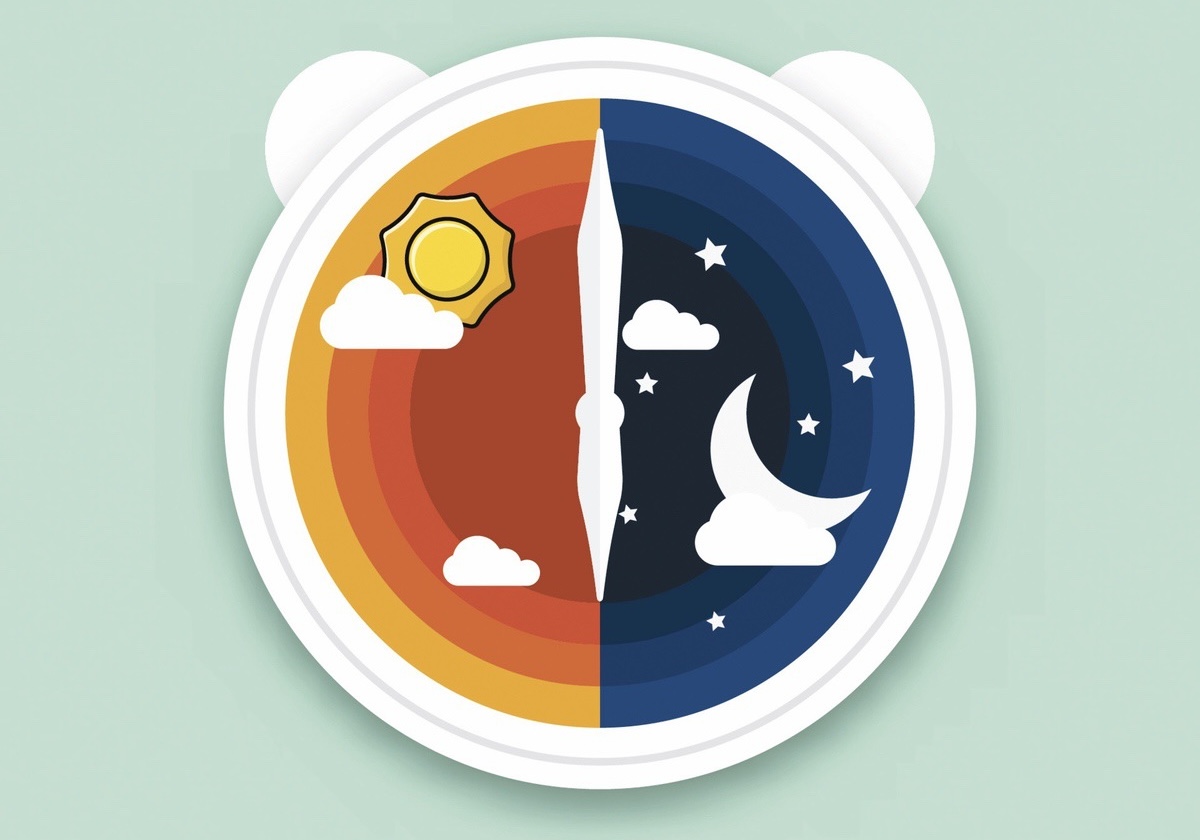
Last month’s Health News Report summarized recent research on how the human body responds to the daily cycle of light and dark through a master clock nestled near the optic nerve. This clock responds to that circadian rhythm sending hormonal signals to all regions in the body throughout the day. Without your awareness the master clock sends out melatonin to promote sleep and decreases that hormone to wake you up each morning. But that circadian rhythm does not stop with just awake/sleep influence.
Based on that same rhythm, after decades of research, scientists can now predict when and how body functions fluctuate during the day. That is why your temperature rises in the early morning; why your brain is the sharpest about 9-11 a.m.; why digestion is most active 12-2 p.m. (when a larger meal can best be handled by your GI system). Circadian rhythm explains why most people have a natural dip in energy about 2-4 p.m.; why your blood pressure starts rising early in the morning, usually about an hour before you wake up, and continues to rise throughout the day, usually peaking about midday, then drops down at night and when you sleep.
And it’s not just the master clock in the brain that is directing body functions. New research has discovered that we have peripheral clocks as well. In fact, in humans nearly every tissue and organ has its own rhythm, ideally in tune with the brain’s central clock. Our hearts run on a clock; so do our lungs, kidneys, livers and especially our microbiome.
What can cause our circadian rhythm to become out-of-sync?
Since our master clock is the primary regulator of body function following light and dark influence, traveling across time zones with changing dark/light times can disrupt our circadian rhythm, resulting in jet lag. A trip to Hawaii or Australia may require a few days of rest before your body adjusts to your more normal healthier rhythm. Likewise late-night hours and lack of recommended sleep can also cause rhythm problems.
And although light/dark cycles have the biggest effect on our body’s rhythm, exercise and food intake can also influence metabolism resulting in lack of master-peripheral clock syncing. This is true especially for our microbiome. It turns out the human body is programmed to metabolize food earlier in the day. When we eat well after sundown, or munch on high fats late at night, we throw off the delicate timing of our microbiome.
What’s so hazardous about weak or out-of-sync Circadian Rhythm?
A March 2026 Northwestern research study just confirmed the danger: “Circadian Rhythm Causes Metabolic Dysfunction in Fat Cells.” Senior study author Dr. Joseph Bass had previously shown that a high-fat diet can lead to disruption of circadian rhythm. Bass explained “The genes that program our circadian clock have been identified and be manipulated to investigate how and where in the body (they work to) contribute metabolic disease and even cancer.” Such gene manipulation focusing on body clocks is an example of two emerging new fields of biology; chronobiology (Clarifying how timing, metabolism and even gene manipulation can improve human functioning) and chronbiology (Determining most effective time for drugs). For example, properly timed chemotherapy can make toxic cancer drugs five times less toxic while twice as effective.
Readers Takeaway
Keeping natural body rhythms healthy and keeping our central and peripheral clocks in sync are important health goals, although for sedentary night owls and nighttime eaters these recommendations will require some discipline. Here are six tips from the NIH article appearing online: “Improving Circadian Rhythm Disfunction.” You can access this article to get more details to keep those clocks in sync.
• Keep a regular meal schedule (& minimize high-fat foods, exp. at night)
• Start a regular bedtime routine (and get between 7 and 9 hours of sleep per night)
• Avoid daytime naps
• Get regular physical activity
• Limit caffeine, alcohol, nicotine, and some medicines
• Manage your exposure to light. (That includes screen time)