
Several serious public health outbreaks occurred this summer and continue with headlines announcing:
– the alarming rates of Cyclosporiasis
– sharply rising rates of Measles cases;
– and one new worry — the New World Screwworm (NWS) outbreak
Each of these outbreaks not only affects our health, but involves consequences, financial and otherwise, and often are fueled by questionable allegations. Let’s focus on each one examining the where, how, popular misinformation and consequences about each outbreak.
Cyclosporiasis
Where? This intestinal illness has hit close to home. While isolated cases of this disease occur annually and are easily contained, this year rates are much higher. Since June of this year the McHenry County Department of Health had identified 61 cases of cyclosporiasis, more than five times the number of cases reported during the same timeframe in 2025. As of August 2026, the Kane County Health Department reported 64 cases reflecting a significantly higher number than previous years (9 cases in 2025 and 13 in 2024). Statewide Illinois has climbed to over 1,400 confirmed and probable cases. The good news is cases are now tapering off, although lingering questions on future outbreaks remain.
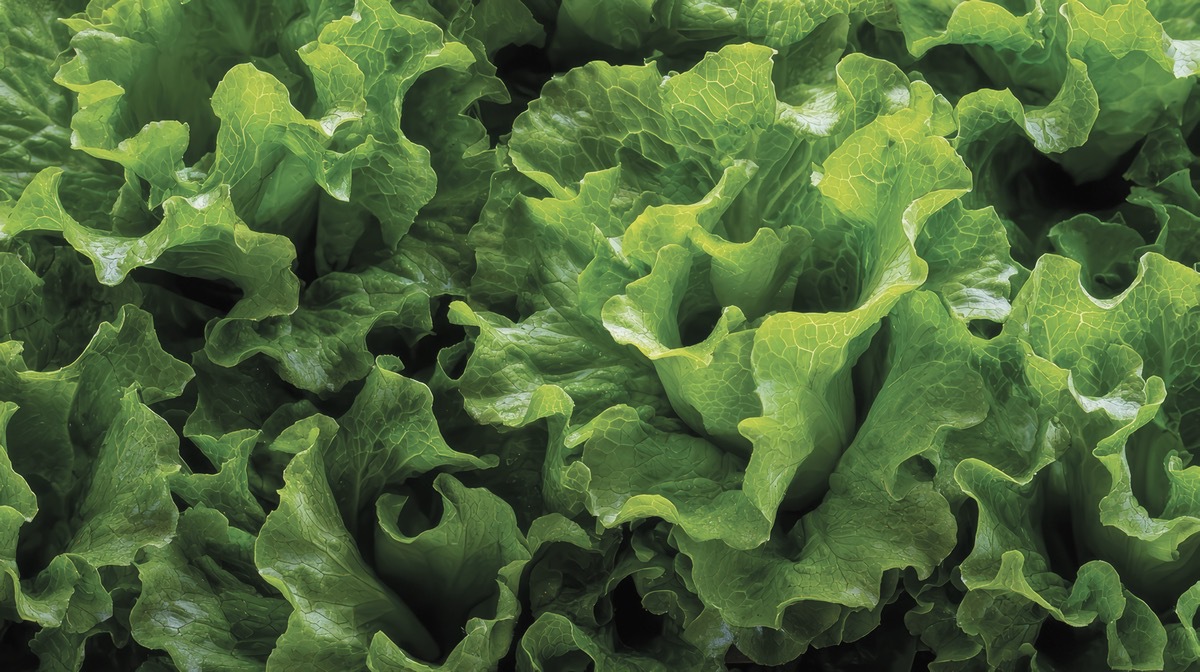
How? The Cyclospora parasite is most often linked to contaminated fresh produce, although it can spread from contaminated water. This year it was first thought to be caused by contaminated lettuce imported from Mexico, but subsequent testing was inconclusive and to date no specific cause has been identified.
Popular Allegations
Although some considered the initial lettuce statement a deliberate lie on the part of the Federal Department of Agriculture (USDA), some experts have concluded claim that the more likely cause was federal cuts to crucial food safety programs and staffing. The Food and Drug Administration (FDA) lost 20% of its staff; the Centers for Disease Control (CDC) has lost 25-27% of its staff, which negatively affects various programs (such as Alzheimer’s research). In addition, DOGE made cuts to the Foodborne Diseases Active Surveillance Network—better known as FoodNet — which is a federal-state monitoring program between the CDC, FDA, USDA, and state health agencies. The result was that instead of monitoring for 8 different pathogens, including cyclosporin, FoodNet is now only required to monitor two foodborne pathogens: Salmonella and E. coli. Source: CDC, FDA.
Consequences
As predicted by this headline: “American food safety could be headed for a breakdown. Food safety experts warn that federal cuts will leave people more vulnerable to foodborne illness.” (Source: Stat: Public Health News Research) Fortunately after this latest cyclosporiasis outbreak, some positions/programs have been restored but experts and consumers remain concerned about effectiveness of present food safety efforts.
Measles case increases
Where? On August 20, 2026, the Centers for Disease Control reported 2,777 confirmed measles cases in the United States so far in 2026 as compared to a total of 2289 cases in 2025.
How? Measles is very contagious. It spreads through the air when an infected person coughs or sneezes. You can get measles just by being in a room where a person with measles has been. Historically the childhood measles vaccine given with Mumps and Rubella has been very effective and well accepted so herd immunity (95%) has been achieved minimizing outbreaks. (Source: CDC)
Popular Allegations
Vaccine hesitancy has surged in recent years, driven by vaccine denial and persistent alleged myths — especially the false claim that vaccines cause autism. That claim originated from a small study of 12 children that was later retracted, after the study author was found to have falsified research. Despite this, the alleged myth continues to contribute to vaccine hesitancy.
The safety of the measles vaccine has been studied extensively with the CDC declaring “The measles, mumps, and rubella (MMR) vaccine is very safe and effective. When more than 95% of people in a community are vaccinated (coverage >95%), most people are protected through community or herd immunity.
Historically the childhood measles vaccine is given in combination with Mumps and Rubella. However, a recent Presidential order called for the combined vaccine to be split into three separate injections given across multiple visits.
Consequences
Several respected professional medical groups including that American Academy of Pediatricians, the American Medical Association and the World Health Organization have come out against this order citing the following reasons: Increased risk of disease, increased unnecessary medical visits and costs, unfounded safety claims, and lack of product availability: (Measles-only, mumps-only, and rubella-only vaccines are not currently FDA-approved or available in the United States.) A further consequence of the new order is parental confusion and potential delay/denial of vaccines. Speaking with the child’s doctor is advisable.
New World Screwworm
Where? Central American countries and Mexico reported more than 209,400 NWS cases in animals and 2,500 cases in people. On June 3, 2026, USDA reported the first animal case in the United States. The good news is that the risk is minimal. There have been no reports of human infestations with NWS acquired in the U.S. However, the New World Screwworm Outbreak is a real biological threat to cattle.
How? The Screwworm is a parasitic fly whose larvae eat living flesh rather than dead tissue, burrowing into open wounds or body openings of warm-blooded animals, especially those living outside in warm climates. The US eradicated the screwworm fly in the 60s through a sterile fly program but isolated cases have occurred since, the present one being the most concerning.
Popular Misinformation
There have been rumors that you could get infected with screwworm larvae by eating meat, but the screwworm lives outside and is attracted to warm-blooded animals making burrowing into a cold package of ground meat in your grocers or at a restaurant impossible. In addition, beef carcasses are inspected and any larvae would be removed or the carcass rejected, so you can rest assured about this issue. One alleged rumor is that illegal cattle from Mexico crossed borders causing screwworms to spread to the US.
With no definitive answer on whether infected cattle from Mexico were responsible for the spread, Texas Agriculture Commissioner Sid Miller told NBC News “(We) pleaded with the government to step in as they monitored screwworm infections moving north through Mexico- but were ignored.”
Consequences
Although it is unlikely that your personal health may be affected by the Screwworm outbreak, your budget, if you eat meat, could suffer, as well as the finances of the livestock industry. A serious threat to livestock industry could cause massive losses with USDA estimates up to more than $1.8 billion
While last month promised Part 2 of What’s Your Heart GPA? due to the desire to keep the reporting on these disease outbreaks timely, this report is appearing now with Part 2 of Heart Check? coming next month.