
What’s sad about this year is that, in the 250th year of this great nation, there isn’t a plethora of films or television specials dedicated to its memory. True, there is a lot of coverage planned for by news outlets on July Fourth. However, very little has been present in the lead up. Larry David and co will have a program on just after the deadline of this article entitled HBO Max’s Life, Larry and the Pursuit of Unhappiness on June 26. He and many others like Jerry Seinfeld and John Hamm created sketches lampooning various points in our history. As fitting as that is given the current state we are in now, I can’t help but feel like some mode of reverence in the Founding Fathers is deserved.
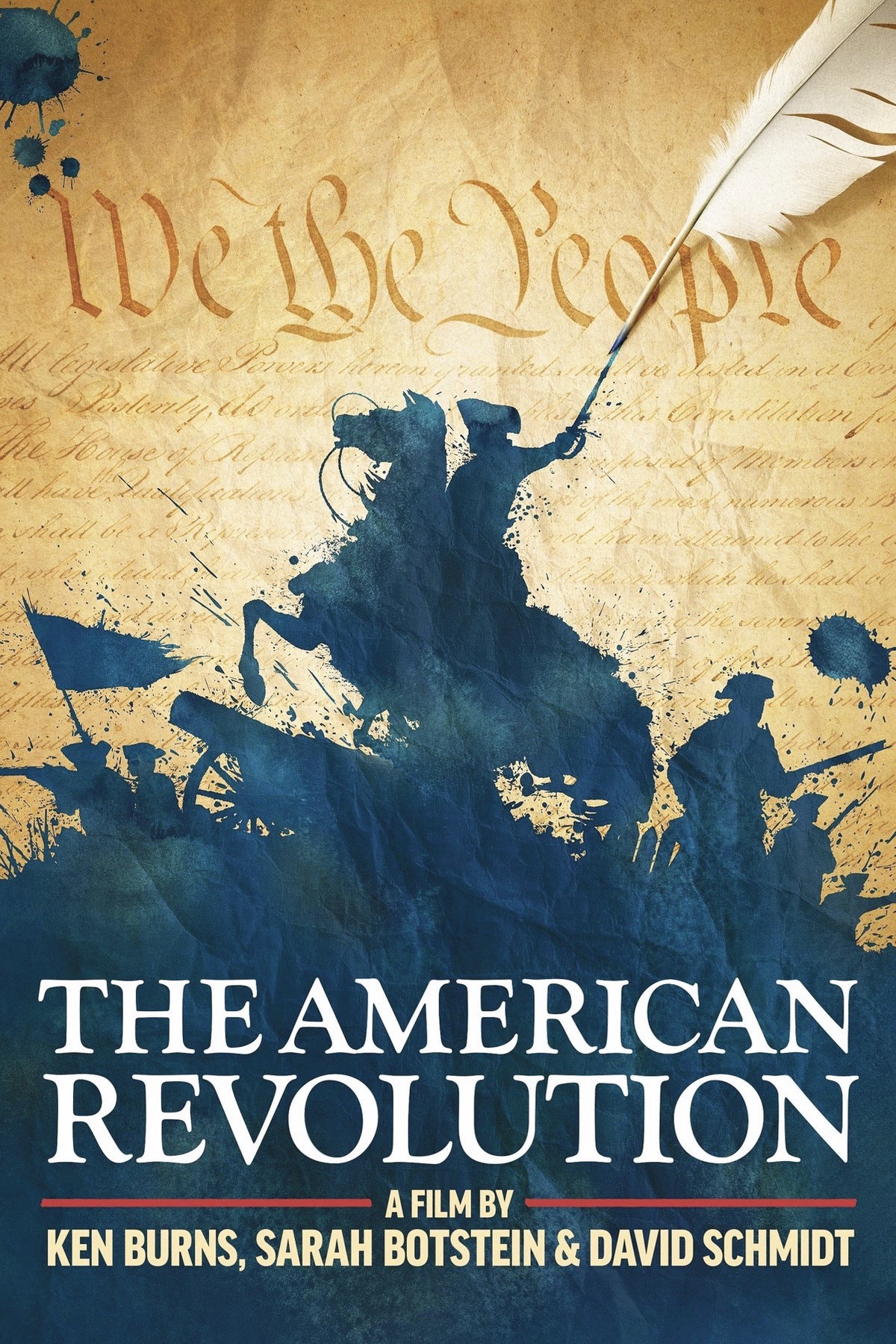
Enter The American Revolution from PBS Passport. The multi-part documentary miniseries from Ken Burns, Sarah Botstein, and David P. Schmidt, like all of Burns’s previous, expands on the War for Independence in order to tell the story from several different angles. What stuck with me was the fact the we all started from a small group of writers seeing the impact that our then-sovereign England had our well-being and lives. The section on Thomas Paine was particularly interesting. For he was a student of the Enlightenment in France and through the creation of his most seminal work Common Sense, he was able to speak to the public on their level about why being their own nation would be more beneficial. The idea of speaking plainly and with honor to laymen seems part of a bygone era in the face of current political discourse.
Another striking aspect of the doc was when they turned attention to the more marginalized segment excluded from the Declaration of Independence and the Articles of Confederation. One particular segment came from Annette Gordon Reed about how Thomas Jefferson found it hard to square owning slaves when he was seeking freedom from tyranny. This only goes to show that these foundations of our government have, and always been, living and breathing documents subject to changes when needed. That can be a scary thought for some but a powerful statement, speaking the grand experiment this nation always was.
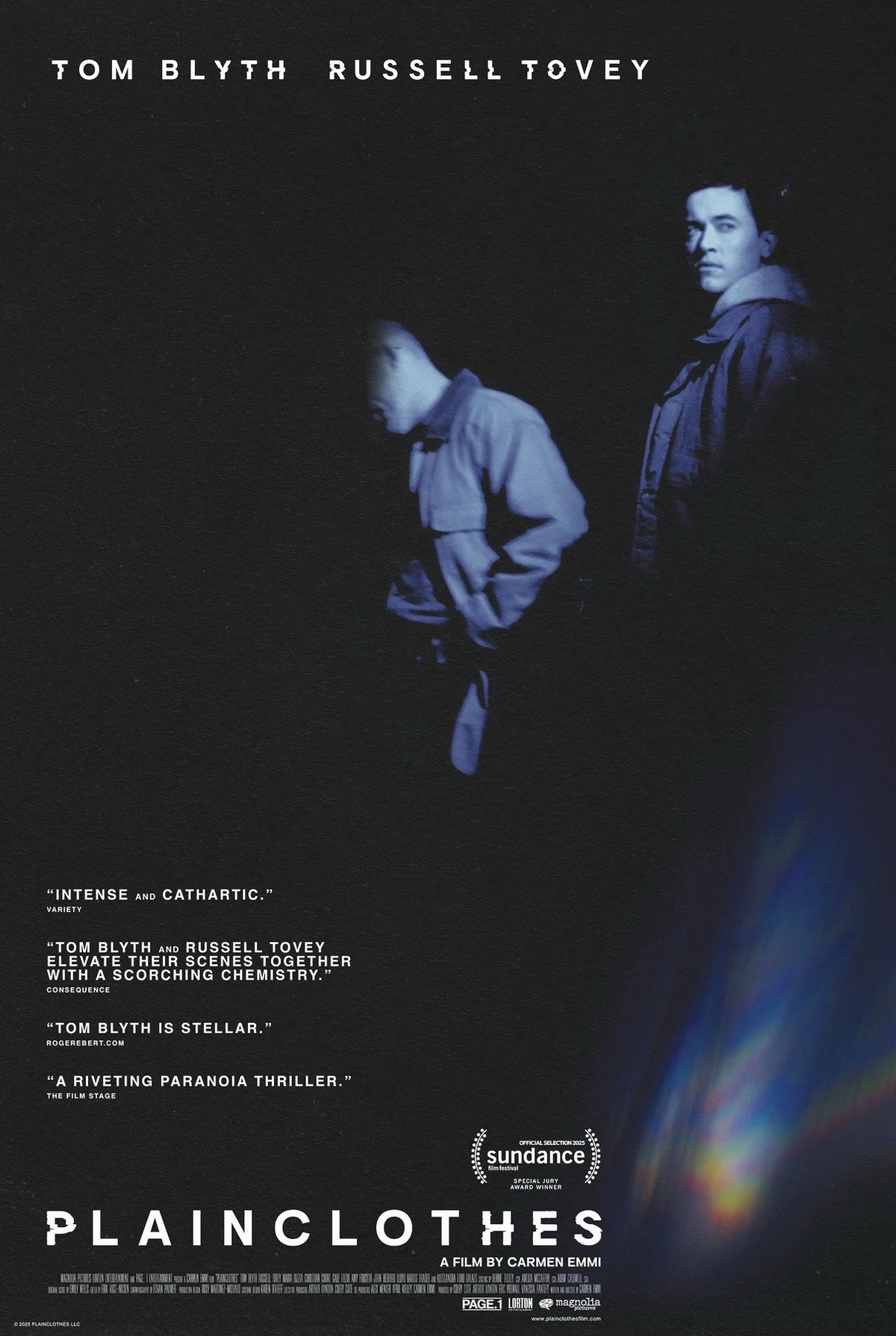
Moving further ahead to the late 20th century, Plainclothes on streamer MUBI takes us back to a time when some groups were still discriminated against even by their own judicial system. Here we meet Lucas (Tom Blyth), a police officer who works undercover to lure unsuspecting men in malls. The goal: to entrap them into performing indecent exposure and arresting them. This isn’t a thing that was new to the 90s in which the film takes place. Midway through the film, Lucas and other officers are shown a short film from the 60s where a one-way mirror was used to film similar encounters. All of this is under the guise of keeping the public safe, when it was really a way to prosecute gay people. Like many things still happening today. But this isn’t just a simple procedural; it’s a stealth romantic thriller.
One day Lucas is on the job when he runs into Andrew (Russell Tovey), a married man who hooks up on the side. As we have seen from Lucas, there is some lingering attraction to men and this sparks something in him. He spares Andrew and later finds a way to meet with him again. Through small, clandestine meetings, Lucas unwisely develops feelings.
First time filmmaker Carmen Emmi has a great sense of the time period. Using music and making Lucas’s vision almost like grainy camcorder footage helps establishes mood and atmosphere. Lucas is a troubled man who lives everyday on the brink. When it comes to nostalgia, we all forget the reality of the moment. Those fears were mine in the 90s. I was Lucas. When I hear about making America great again, this is not the vision of greatness that remember. As Pride is coming to a close and the celebration of our founding is upon us, let’s take some time to reflect on what values we hold dear.