

Whatever happened to the short film with a good moral at the end of it? With all the three-hour epics and even longer documentaries about tech flim-flam artists out there, the prospect of a fun and good-natured movie that transports us while teaching us a little about ourselves seems quant. Small town logic and home-spun truths served on a entertaining platter. Wicker is one such movie.

Now in theaters, the brainchild of husband-and-wife team Alex Huston Fischer and Eleanor Wilson is the first I am hear of them. But now I plan to seek out their short filmography after viewing this one. This is a film that’s in the tradition of the Grimm Brothers and Hans Christian Anderson by way of Guillermo del Toro. In a small village, a lonely fisherwomen played beautifully by Olivia Colman lives out her days catching and selling her wares. The rest of the villagers look down upon her except for the basket weaver. After a rather unusual wedding ceremony and a bout of ribbing, the fish woman goes to the weaver’s home on the outskirts to pay him to make her a husband. Thinking he is just going to make a dummy and nothing more, she and the rest of the town are dumbstruck to find a six-foot living wicker man has come to be her betrothed.
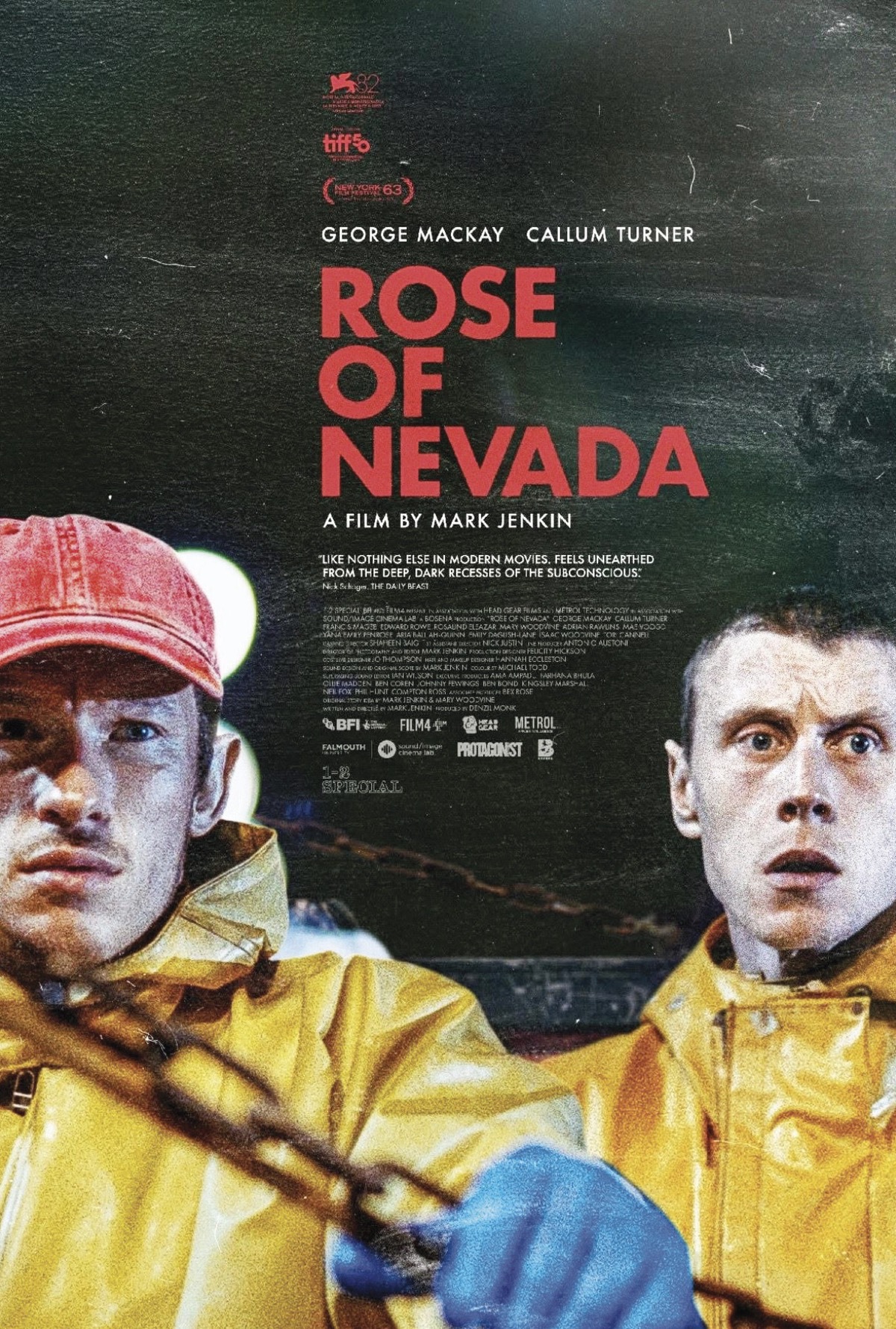
Alexander Skarsgard is game for anything, willing to take on the most unusual roles. Here he shows the most heart of any of them. Hands down, this deserves the Oscar for best makeup this year. Filmed in Hungary, the beautifully built sets evoke an idyllic yet grounded medieval setting. Anna Meredith’s woodwind score conjures delight or tension at any moment. Peter Dinklage gives the second-best supporting role of the year as the weaver, dirty quips and all. Elizabeth Debicki plays the tailor’s wife in a way much like Alfred Molina did for another visual fable, Chocolat. Her and the rest of the townsfolk in this acetic community come undone not by the magic but the simple fact that good partners should trust and support, how novel. This is not a spoiler as there are other lessons to be learned along the tale’s journey. Seeing this with an audience was a treat in and of itself. If you can, seek this perfect late fall flick out.Over on streamer MUBI, Rose of Nevada just dropped. An eerie sci-fi flick that was in theaters over the summer, this is latest from Cornish filmmaker Mark Jenkin. The tale starts off with two wayward young men who are later enlisted to take out a fishing ship. Sensing the theme here, I feel. Unbeknownst to them, this vessel has been missing for a long time. As we learn through others, this used to be the source of the town’s livelihood. Now in the modern day, this place is rundown and dilapidated. Jankin’s use of the close up on objects, a focus on the tactile grime becomes a window into this reality. With dialogue so sparse, clues are given out slowly and forces the viewer to focus on physical details. His use of 16mm Kodak film blown up and given natural grain presents a wonderful sense of time here.
But as the fishing expedition comes to a close, the return isn’t what it seems. It is better to go into this cold then to explain what happens. A droning synth score reminiscent of Windy Carlos or John Carpenter echoes through the film, making it feel like a lost Seventies folk horror. Calum Turner (Mr. Dua Lipa) and George Mackay (1917) give the kind of stoic yet expressive facial acting this film needs. Mackay especially has the type of performance you would expect from a silent film, most often in the second half after the twist. By the end, despite the cold presentation, I found myself warmed to the tale of a town looking to mend its past for a better present. The unsettling conclusion still left wondering what Jankin meant. However, the best movies leave you haunted well after the credits end.